JEAN PROUVÉ
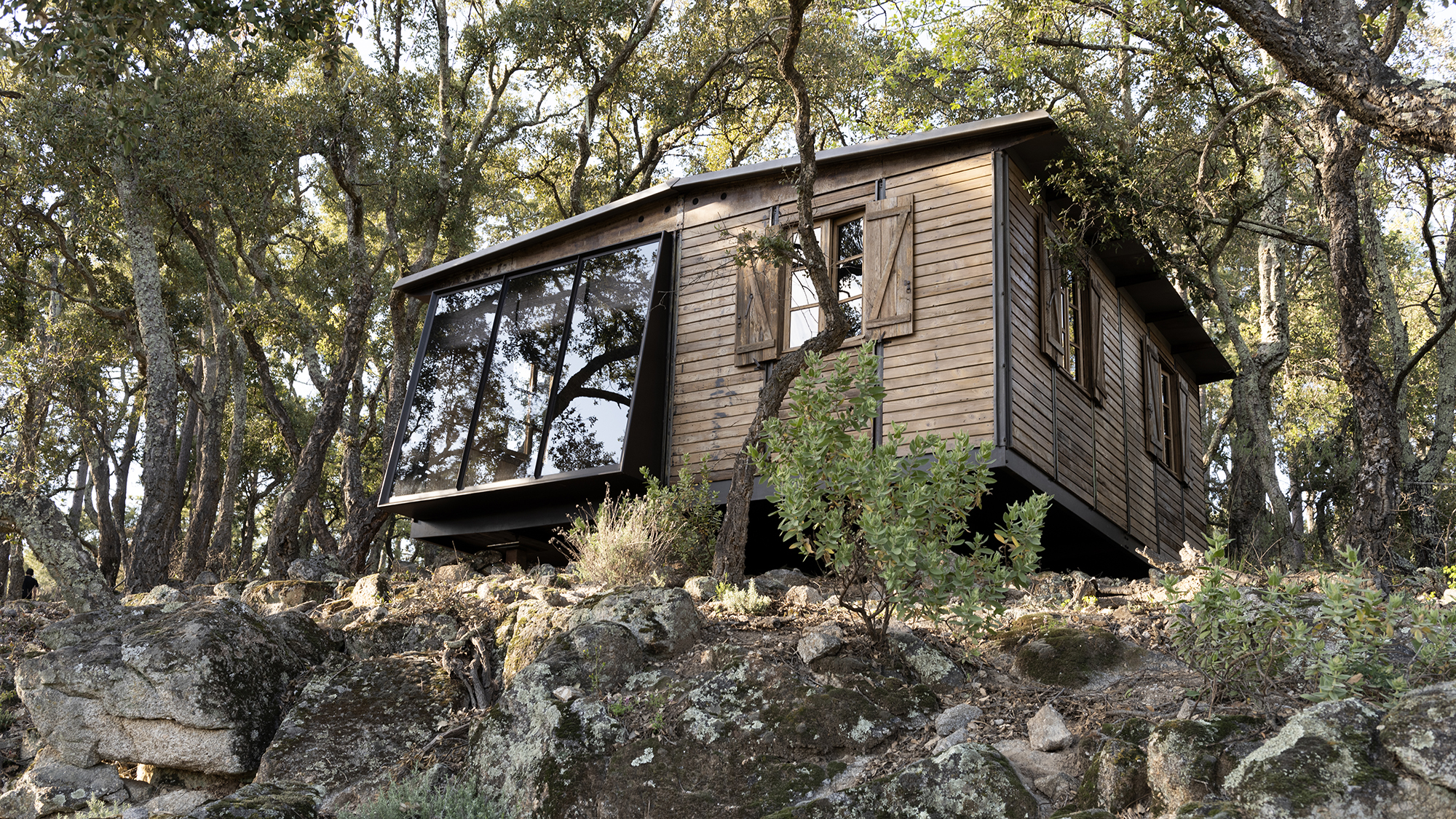
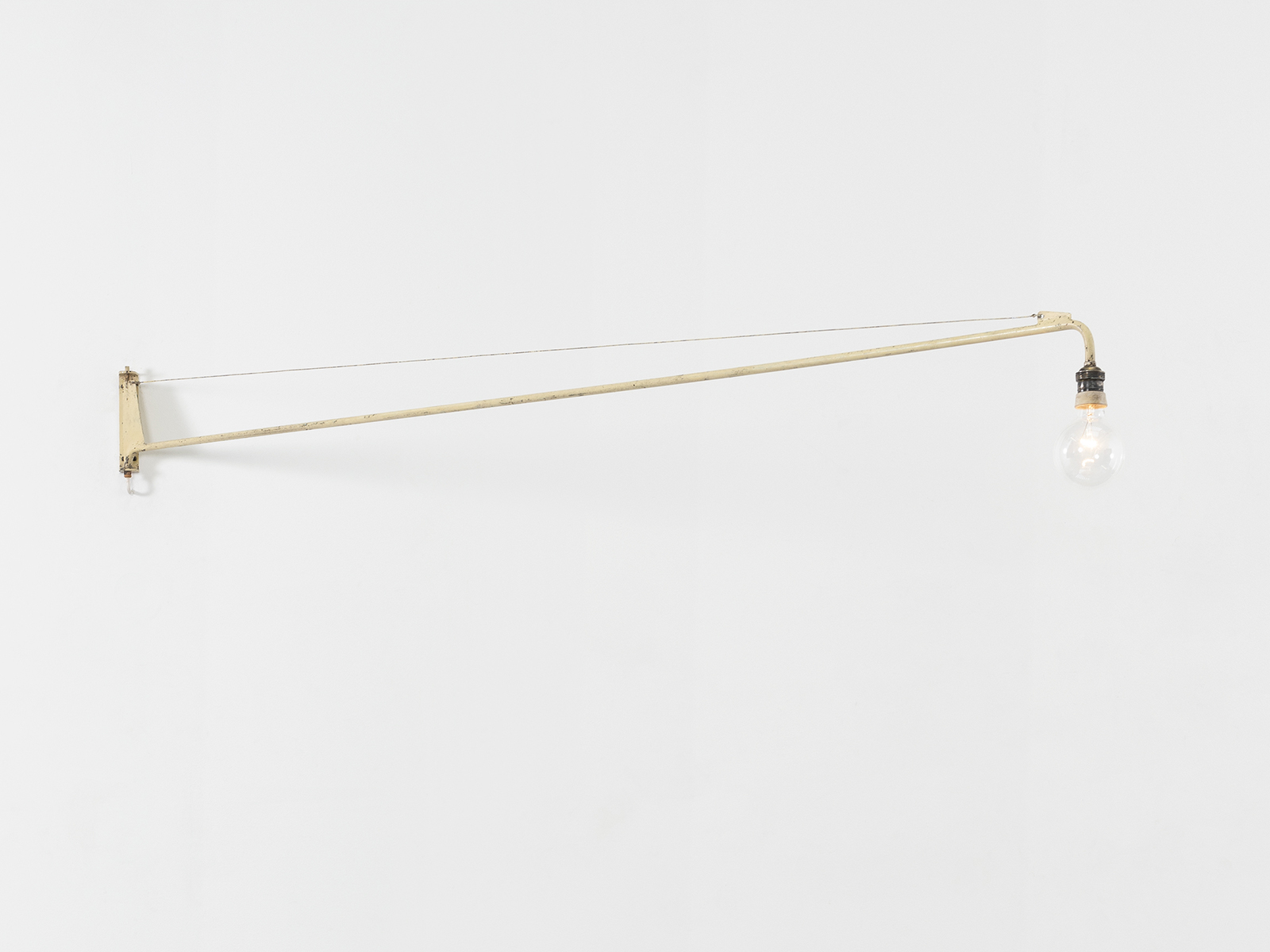
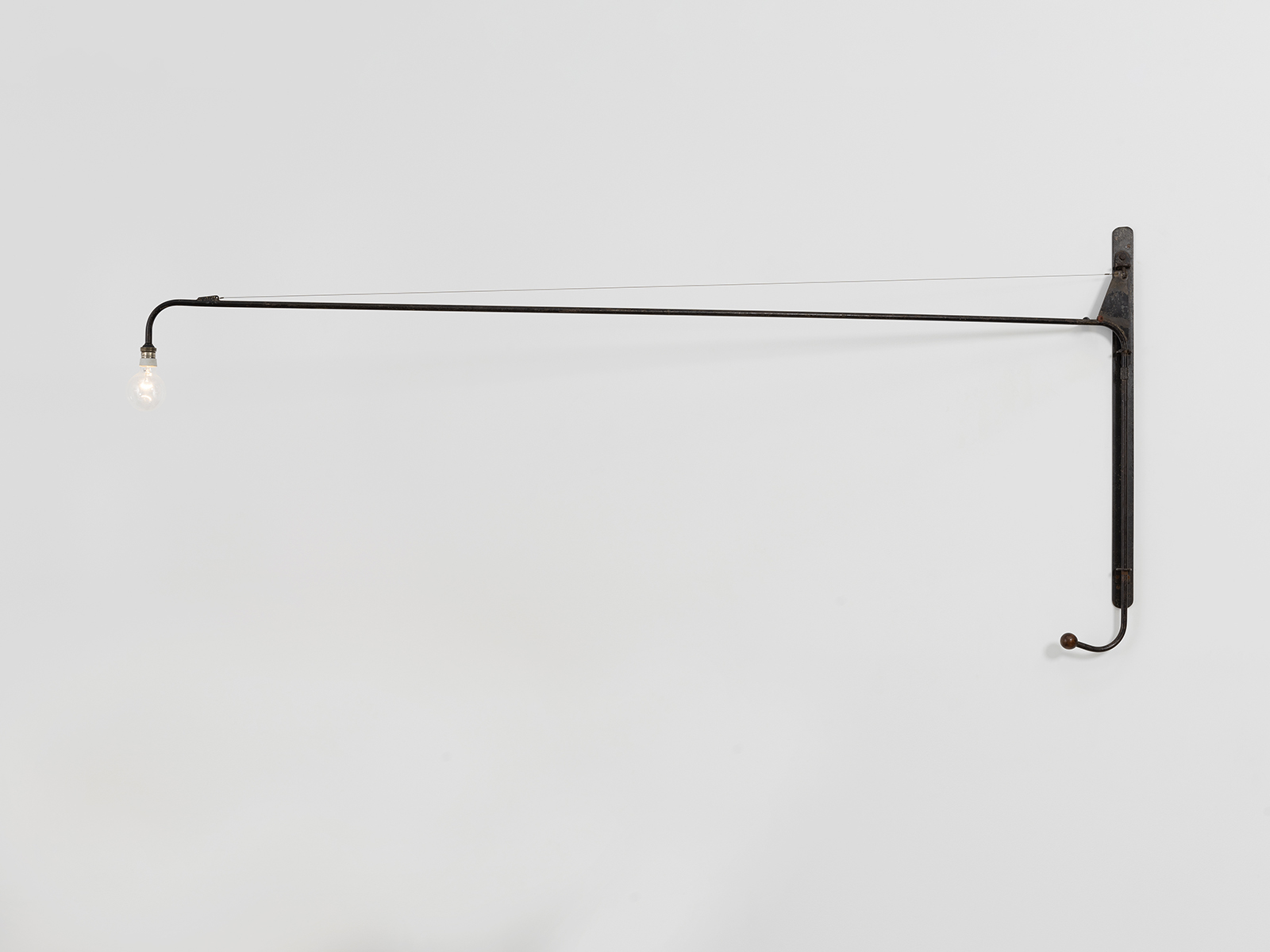
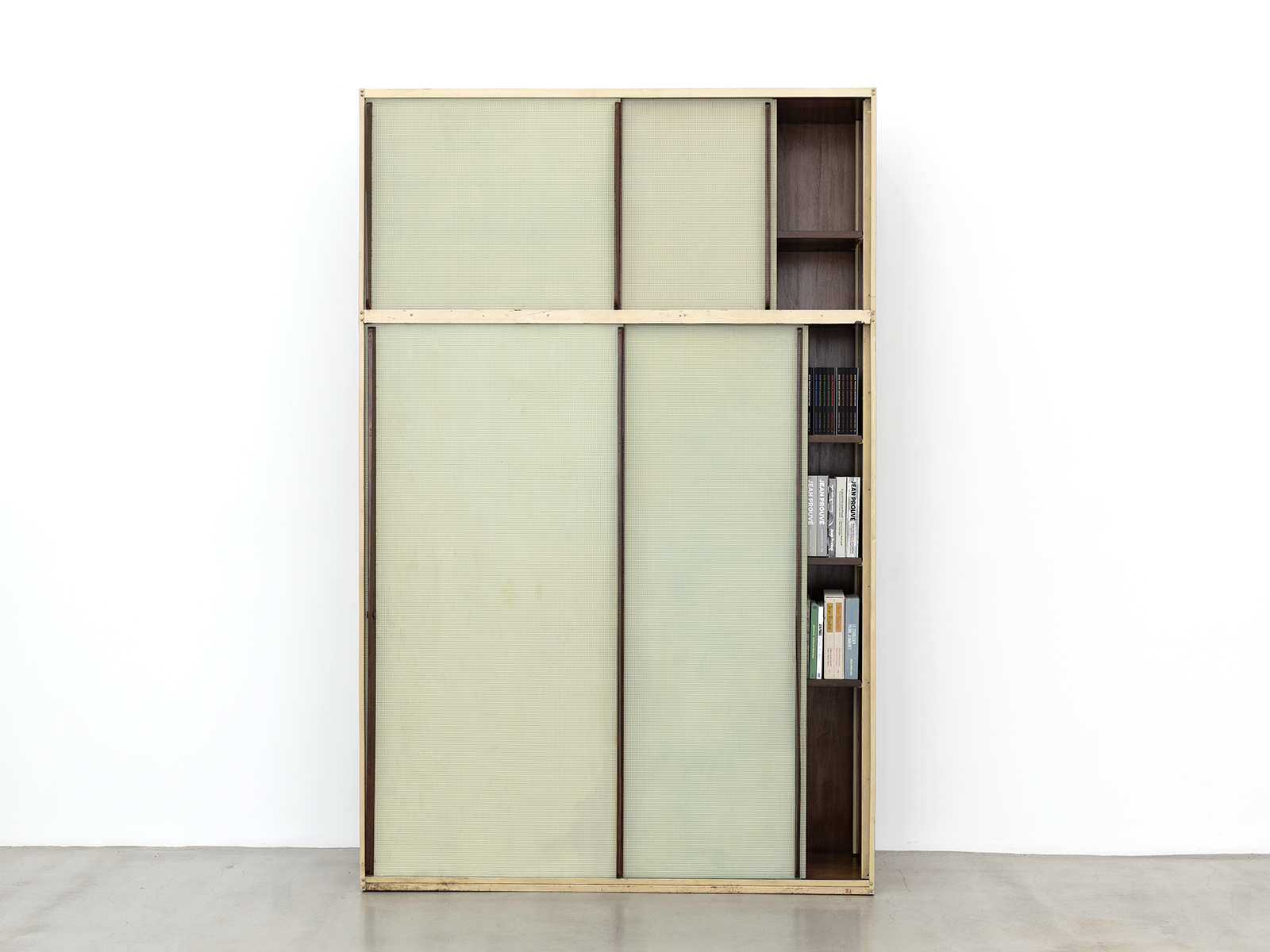
Jean Prouvé was born in Paris in 1901. He opened his first workshop in Nancy in 1924, where he began producing furniture that was met with immediate success. Of the opinion that "in their construction there is no difference between a piece of furniture and a house", he developed a "constructional philosophy" based on functionality and rational fabrication. Free of all artifice, the resulting aesthetic chimed with the doctrine of the Union of Modern Artists, of which Prouvé – along with Le Corbusier, Pierre Jeanneret and Charlotte Perriand – was a founder member. The same principles were applied to the creation of furniture – often intended for the public sector – and architecture, which experienced significant growth after World War II.
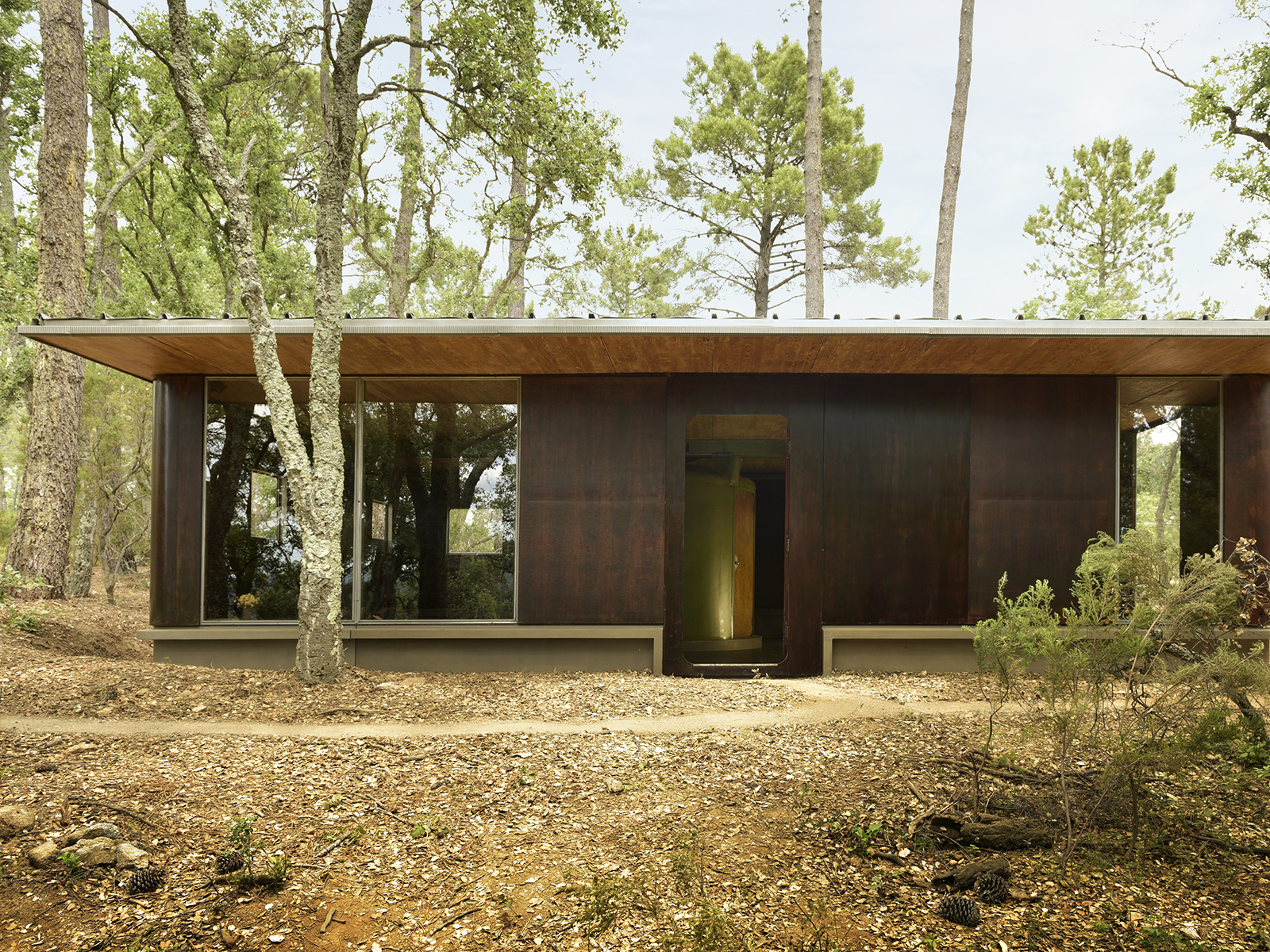
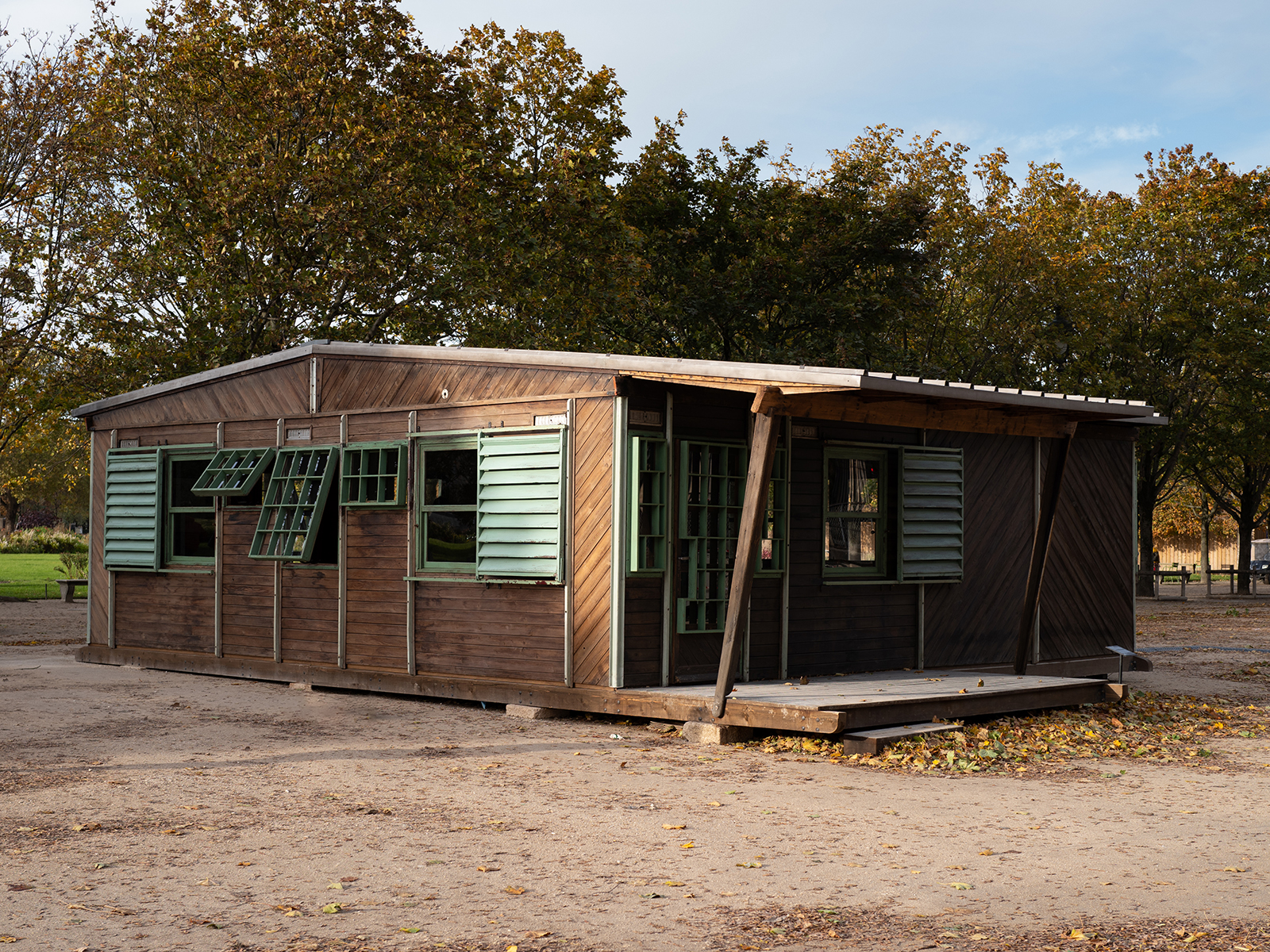
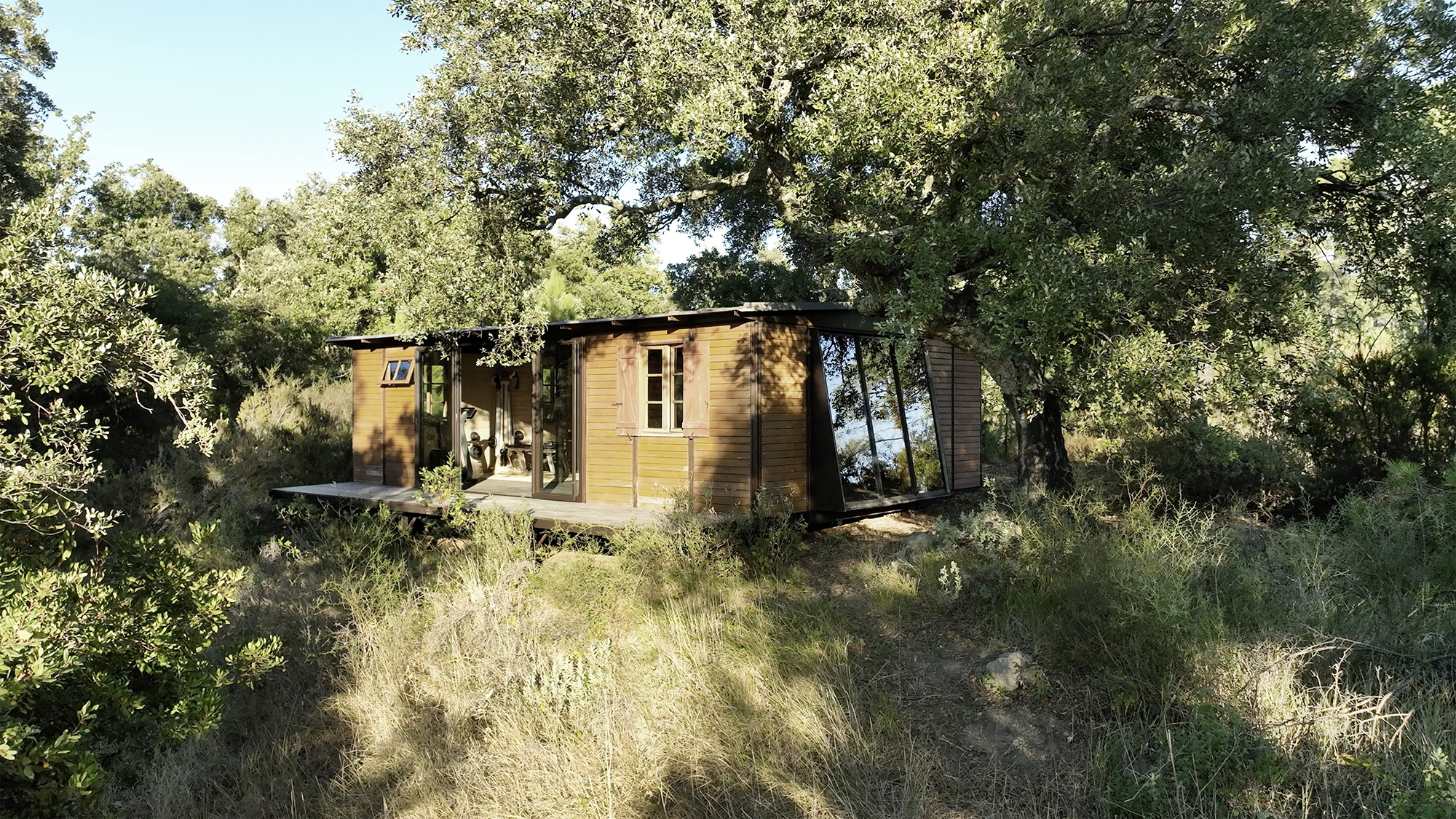
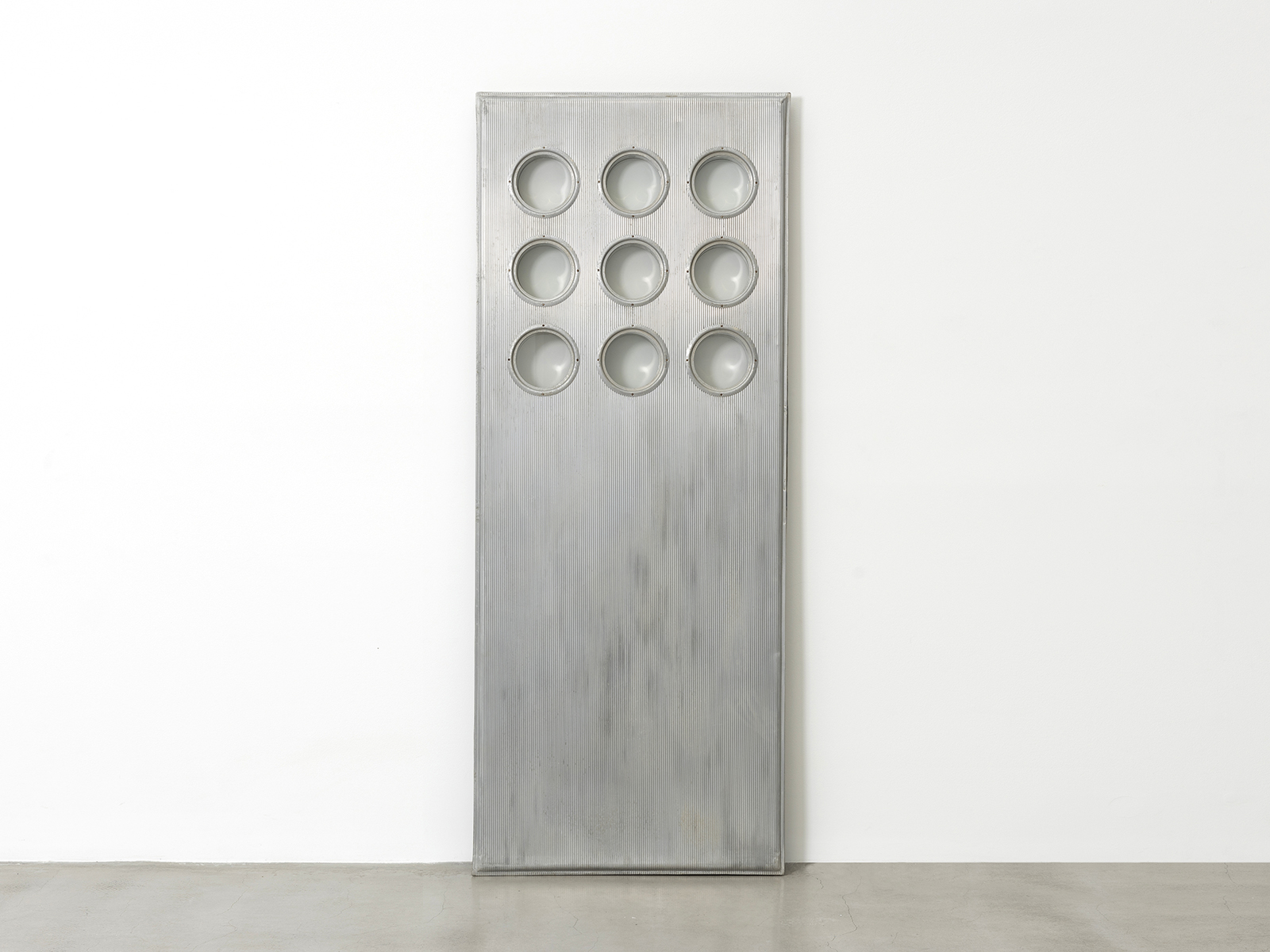
Prouvé is particularly renowned for his innovative applications of new materials, such as bent sheet steel and aluminum, as well as his pursuit of functional rationalization. These innovations allowed both furniture and buildings to be easily dismantled, transported, and adapted. Working with some of the greatest architects, he left his stamp on many famous examples of 20th-century building, most of which are now classified historic monuments. Jean Prouvé died in Nancy in 1984.